
Organizations today face increasing risks from cyberattacks, system failures, natural disasters, and operational disruptions; without proper Business Continuity and Disaster Recovery (BCDR) programs incidents can lead to downtime, data loss, financial impact, and reputational damage.
BCDR is the strategy that ensures organizations can continue operations during disruptions and recover systems quickly after incidents. This guide explains how BCDR works, why it matters, and how to build a strong cyber resilience framework.
What Is Business Continuity in Cybersecurity?
Business Continuity (BC) focuses on ensuring that critical business operations continue during and after a disruption.
Key Objectives:
- Maintain essential services
- Minimize downtime
- Ensure communication and coordination
- Protect revenue and reputation
A business continuity plan keeps operations running even during major disruptions like cyberattacks or outages.
Read also: Artificial Intelligence Use Cases in Data Security Part III
What Is Disaster Recovery (DR)?
Disaster Recovery (DR) focuses specifically on restoring IT systems, applications, and data after an incident.
Key Objectives:
- Restore systems quickly
- Recover data from backups
- Reduce downtime (RTO)
- Minimize data loss (RPO)
Disaster recovery is a structured approach to restoring IT systems after incidents like cyberattacks or outages.
Read also: Breach Management Guide Part II
What Is the Difference Between BCP and DRP?
BCP is strategic and proactive while DRP is tactical and reactive.
| Aspect | Business Continuity (BCP) | Disaster Recovery (DRP) |
|---|---|---|
| Aspect | Business Continuity (BCP) | Disaster Recovery (DRP) |
| Focus | Business operations | IT systems & data |
| Approach | Proactive | Reactive |
| Scope | Organization-wide | Technology-specific |
| Goal | Keep business running | Restore systems |
BCP ensures operations continue while DRP restores the supporting systems.
BCP is broader, and DRP is the subset focused on IT recovery.
Read also: Information Security KRIs for CISO and CIO
Why BCDR Is Critical for Modern Organizations
Without BCDR, organizations risk:
- Data loss
- Extended downtime
- Financial penalties
- Reputational damage
Organizations without BCDR are more likely to suffer major losses during disruptions.
Key Benefits of BCDR:
- Improved cyber resilience
- Faster recovery from incidents
- Reduced operational risk
- Better compliance readiness
Read also: Types of Malware and Ransomware Part II
What Are the Key Components of a BCDR Strategy?
A strong BCDR framework includes:
1. Business Impact Analysis (BIA)
- Identify critical processes
- Assess impact of disruptions
- Define recovery priorities
BIA helps evaluate financial and operational impact during disruptions.
2. Risk Assessment
- Identify threats (cyber, natural, operational)
- Evaluate vulnerabilities
- Define mitigation strategies
3. Business Continuity Planning (BCP)
- Communication plans
- Workforce continuity
- Alternative processes
4. Disaster Recovery Planning (DRP)
- Backup and restore systems
- Define recovery procedures
- Ensure infrastructure resilience
5. Testing and Simulation
- Tabletop exercises
- Disaster recovery drills
- Crisis simulations
Regular testing ensures plans remain effective.
Read also: Third Party Risk Management Part V
How Do Business Continuity and Disaster Recovery Work Together?
BC and DR are interconnected.
Real-World Flow:
- Incident Response → Detect and contain attack
- Disaster Recovery → Restore systems and data
- Business Continuity → Maintain operations
Together, they ensure organizations stay operational and recover quickly.
Read also: IoT Devices High Security Risk Part II
What Metrics Define BCDR Success?
Key KPIs:
- RTO (Recovery Time Objective) → How fast systems recover
- RPO (Recovery Point Objective) → Acceptable data loss
- MTTR (Mean Time to Recover)
- Downtime duration
- Incident response time
These metrics help measure resilience and recovery performance.
What Are the Biggest BCDR Challenges?
Common Issues:
- Outdated plans
- Lack of testing
- Poor coordination
- No clear ownership
- Incomplete asset visibility
Many organizations fail not due to lack of tools, but lack of execution and governance.
Read also: Artificial Intelligence Use Cases in Data Security Part III
How to Build a Strong BCDR Strategy (Step-by-Step)
Step 1: Identify Critical Business Functions
Focus on high-impact processes.
Step 2: Perform Risk Assessment
Understand threats and vulnerabilities.
Step 3: Define Recovery Objectives
Set RTO and RPO targets.
Step 4: Develop BCP and DRP
Create structured response and recovery plans.
Step 5: Test and Improve
Continuously test and update plans.
BCDR is a continuous lifecycle - not a one-time activity.
Read also: How GDPR Preparation Helps with CCPA Compliance Part V
How BCDR Supports Cybersecurity and Compliance
BCDR aligns with:
- ISO 22301 (Business Continuity)
- ISO 27001 (Information Security)
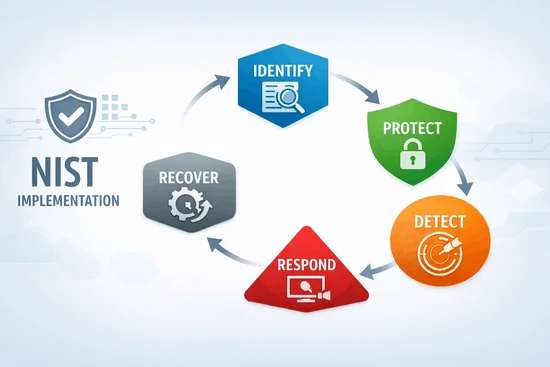
- NIST frameworks
- DPDP and GDPR
It strengthens:
- Risk management
- Data protection
- Audit readiness
Read also: How to Write Effective KRIs Part II
How to Improve Business Continuity Quickly ?
- Define critical business processes
- Implement backup and recovery systems
- Train employees on response procedures
- Test disaster recovery plans regularly
- Monitor systems continuously
Read also: How Malware Infection Happens
Conclusion
Business Continuity and Disaster Recovery are essential for modern cyber resilience.
Organizations that:
- Plan ahead with BCP
- Build strong DR capabilities
- Test regularly
- Align with governance frameworks
Can significantly reduce downtime, protect data, and ensure business survival.
In today's digital world, BCDR is not optional - it is a business necessity.
If you would like guidance on strengthening your DPDP compliance framework or understanding how governance, risk, and compliance tools can support your organization, feel free to contact us for assistance.
You can also visit our website to explore how modern GRC platforms help organizations manage data protection, risk management, and regulatory compliance in a more structured and scalable way.
FAQ
BCDR ensures organizations can continue operations and recover systems during disruptions.
Related Posts