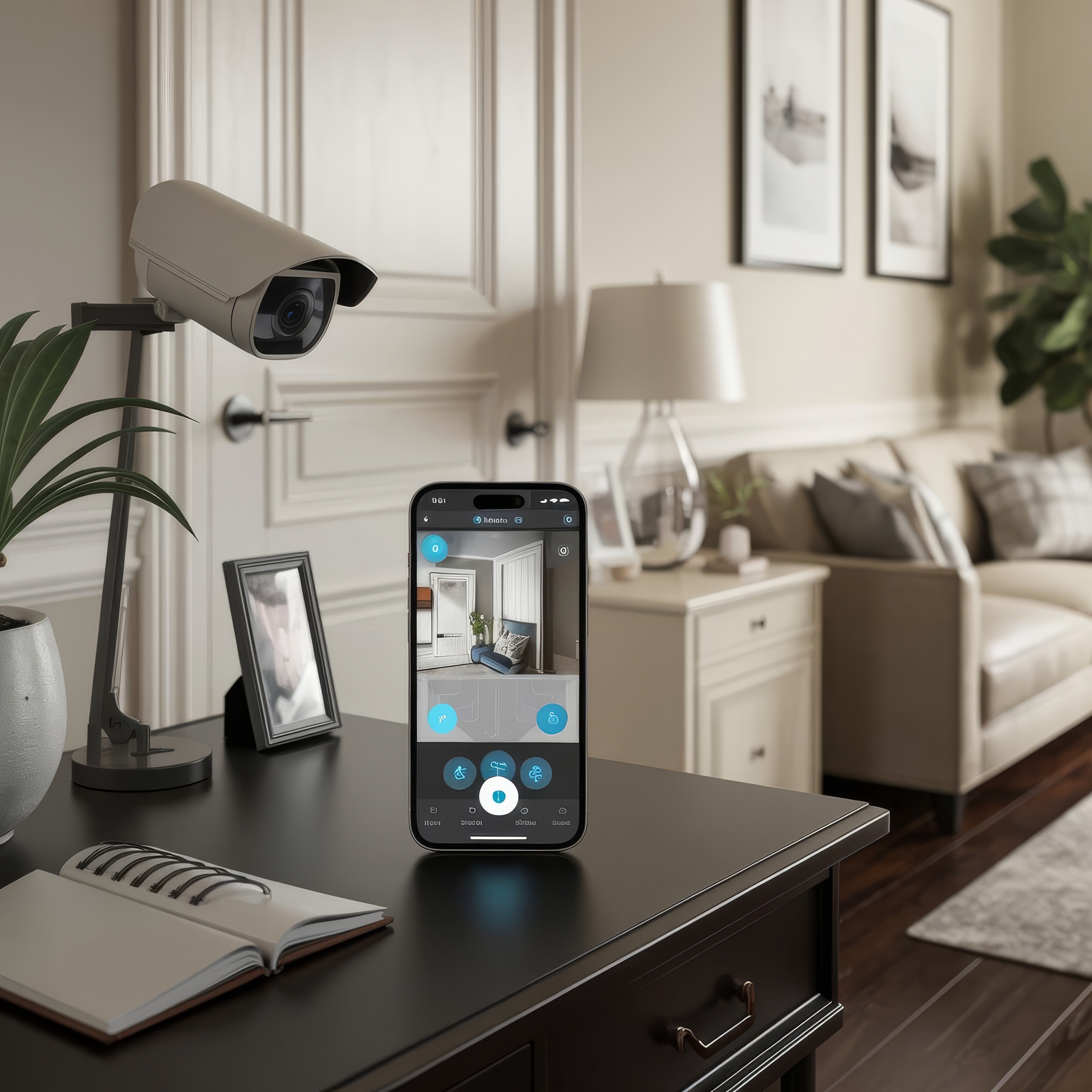

Smart doorbells and security cameras are becoming essential for modern homes and businesses. These IoT (Internet of Things) security devices offer convenience, real-time monitoring, and remote access.
However, they also introduce cybersecurity risks, privacy concerns, and data protection challenges. Smart doorbells and cameras are safe only if properly secured; otherwise they can be hacked, exposing video footage, personal data, and even home networks.
This guide explains the risks, vulnerabilities, and best security practices to protect your smart surveillance devices.
What Is a Smart Doorbell and How Does It Work?
A smart doorbell is an internet-connected device with a camera, microphone, and motion sensors that allows users to monitor and communicate with visitors remotely. Internet of Things devices like these send real-time alerts and video to smartphones.
These devices are part of the growing smart home ecosystem, but their connectivity makes them vulnerable.
Read also: How to Detect CyberattacksI
Why Smart Doorbells and Cameras Are a Cybersecurity Risk?
Smart security devices are always connected to the internet, which makes them attractive targets for attackers.
Key Risks Identified by Experts:
- Hackers accessing live video and audio feeds
- Theft of Wi-Fi credentials and network access
- Unauthorized cloud access to recorded footage
- Devices acting as entry points into home networks
- Data leaks and privacy violations
The biggest risk is not the camera itself - it's the data and network access behind it.
Can Smart Doorbells Be Hacked?
Yes, smart doorbells can be hacked.
Common Attack Methods:
- Weak or default passwords
- Unsecured Wi-Fi networks
- Outdated firmware
- Cloud storage vulnerabilities
- Third-party app exploitation
Studies show that poor password protection and Wi-Fi vulnerabilities are among the most common attack vectors.
Read also: CMMC Background Explained - DoD CMMC Guide
Why Cloud-Based Cameras Increase Privacy Risks?
Most modern doorbells store footage in the cloud.
Risks of Cloud Storage:
- You don't control where data is stored
- Data may be accessed by companies or third parties
- Footage retention may exceed expectations
- Data may be shared under legal requests
Cloud-based systems increase data privacy and compliance risks.
Read also: Breach Management Guide Part II
Biggest Security Gaps in Smart Camera Systems
Common Vulnerabilities:
- Default passwords not changed
- Lack of multi-factor authentication (MFA)
- No firmware updates
- Poor network security
- Cheap or unverified devices
Many IoT devices were built for convenience, not security, making them easy targets.
Read also: IoT Device Security Risks Explained
What Happens If Your Smart Doorbell Gets Hacked?
If compromised, attackers can:
- Spy on your home activity
- Disable security features
- Access other smart devices
- Plan burglaries based on activity patterns
- Steal sensitive personal data
A hacked doorbell can expose your home, behavior patterns, and entire network.
Read also: Information Security KRIs for CISO and CIO
Best Practices to Secure Smart Doorbells and Cameras
1. Use Strong Authentication
- Enable MFA (Multi-Factor Authentication)
- Avoid default passwords
- Use unique credentials
2. Secure Your Wi-Fi Network
- Use strong encryption (WPA3)
- Change router passwords
- Avoid public networks
3. Update Firmware Regularly
- Fix known vulnerabilities
- Ensure device patches are applied
4. Limit Data Exposure
- Reduce cloud storage duration
- Disable unnecessary features (like audio)
- Avoid sharing footage publicly
Experts recommend minimizing stored data to reduce misuse risk.
Read also: How to Protect Against Malware Part IV
Smart Doorbell Placement and Privacy Compliance
Incorrect placement can lead to legal and privacy issues.
Best Practices:
- Point cameras only at your property
- Avoid capturing neighbors or public spaces
- Use activity zones and masking features
Improper use can violate data protection laws and privacy regulations.
Read also: NIST Implementation Guide
Zero Trust Approach for Smart Devices (Advanced Security)
Modern cybersecurity recommends applying Zero Trust principles to IoT devices.
Key Zero Trust Practices:
- Never trust any device by default
- Segment IoT devices on separate networks
- Continuously monitor activity
- Limit access permissions
This reduces risk from compromised devices.
Read also: Governing AI in Cybersecurity
How Smart Doorbell Security Fits Into GRC and Compliance
Smart devices impact:
- Data protection compliance (DPDP, GDPR)
- Risk management frameworks
- Privacy governance
Organizations and individuals must ensure:
- Data is protected
- Access is controlled
- Risks are monitored
Smart device security is now part of modern GRC strategy.
Read also: AI Governance and Data Privacy
Conclusion
Smart doorbells and cameras offer convenience - but without proper security, they can become a major cybersecurity risk.
Organizations and individuals must:
- Understand IoT vulnerabilities
- Apply strong security controls
- Follow privacy best practices
- Implement continuous monitoring
The future of smart home security depends on combining technology + governance + awareness.
If you would like guidance on strengthening your DPDP compliance framework or understanding how governance, risk, and compliance tools can support your organization, feel free to contact us for assistance.
You can also visit our website to explore how modern GRC platforms help organizations manage data protection, risk management, and regulatory compliance in a more structured and scalable way.
FAQ
Smart doorbells are safe only when secured properly with MFA, strong passwords, and updates.
Related Posts